

Fasting
BIBLE READING
And you were dead in the trespasses and sins in which you once walked, following the course of this world, following the prince of the power of the air, the spirit that is now at work in the sons of disobedience— among whom we all once lived in the passions of our flesh, carrying out the desires of the body and the mind, and were by nature children of wrath, like the rest of mankind.
Ephesians 2: 1-3
DEVOTIONAL
Watch the video or read this week’s devotional from Darren here:
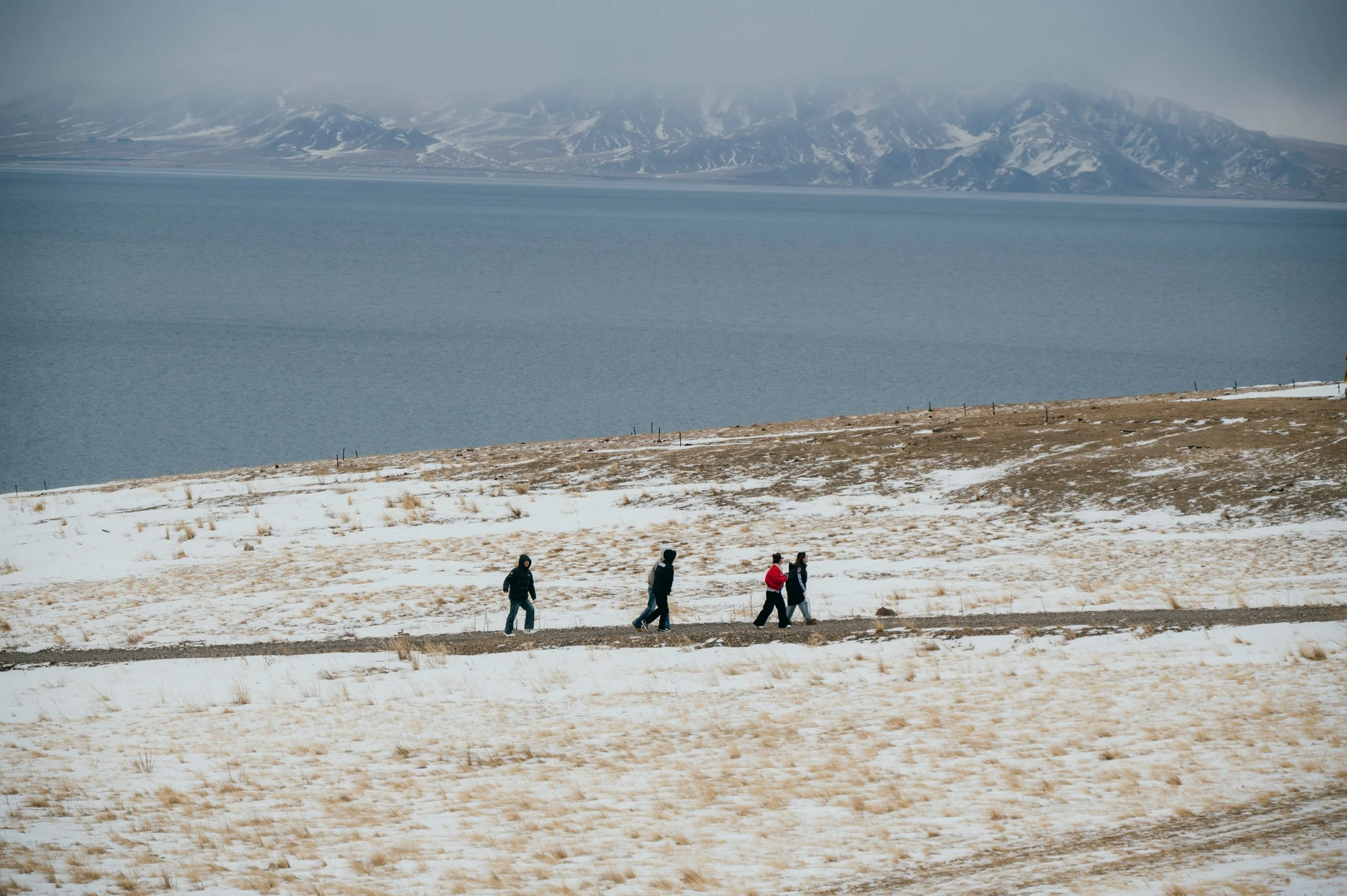
Walking is how most of us make our way through life: one step at a time, day after day. Writing to the church in Ephesus, Paul returns to this image again and again. Six times he talks about how they are to walk; how they are to put one foot in front of the other as they learn the way of Jesus.
This Lent, the letter to the Ephesians invites us to relearn how to walk: not drifting with the flow of the city around us, but moving with intention, learning how to walk through life counter-culturally, in a way which honours our calling from God, full of purpose and significance, in love, in the light, and in wisdom.
Any good walk depends on knowing where you’re going - and where you don’t want to end up. Of course, there’s a place for wandering without a plan. But even then, instinct usually keeps us from strolling across a six-lane motorway or wandering off a cliff edge. Beginning well means knowing the terrain.
So Paul starts by mapping out the route he wants us to avoid. He calls it “the course of this world”: the default track the culture around us quietly invites us to stay on. We’re often told that the city is neutral, or even morally progressive, but Scripture offers a sharper diagnosis. The world outside the life of God is not leaderless. It is shaped by powers that pull us away from him. To walk that path, Paul says, is to become a “child of disobedience” - not someone who rejects goodness outright, but someone who chooses a different direction to the way of Jesus.
That doesn’t mean everything in the world is bad. Far from it. But even good things can take us to bad places if they’re left unchecked. I love good food, but if I ate as much as I wanted, whenever I wanted, my body would eventually pay the price. Direction matters.
This is where fasting comes in.
Fasting is a spiritual practice the church has lived with for thousands of years. And in Scripture, fasting isn’t a digital detox or Dry January. It’s about food. Less eating, on purpose, so we can desire God more. That doesn’t mean abstaining from social media, screen time, or alcohol is pointless. Those practices can be wise and deeply formative, especially in a culture addicted to constant consumption. But the Bible is specific: fasting means eating less food so we can seek God more fully.
Jesus assumes his followers will fast, and he gives clear instructions (Matthew 6: 16-18). When you do it, he says, don’t make a performance of it. Clean yourself up. Dress well. Go about your life as normal. Fasting, for Jesus, is not a public display of seriousness but a private meeting with the Father - a way of stepping into the hidden, holy place where God gives what only he can give.
At heart, fasting is about saying no to something good; not because it’s bad, but because we want something better. Food keeps us alive. But God gives life. Fasting is a refusal to consume endlessly at the table of the world, and instead a way of preparing ourselves to feast with the Lord.
From the earliest days of the church, Christians have fasted during Lent as they prepare to celebrate the resurrection at Easter. Fasting makes us physically hungry; and that hunger teaches us something. Our bodies remind our souls what longing feels like. They train us to recognise our deeper need, and to desire God himself.
To fast, then, is to walk differently. It is a counter-cultural step, taken deliberately, in the direction of life.
Darren.
How have you experienced the presence of God recently? How hungry are you for more?
REFLECTION QUESTION
Fasting
There are lots of ways to consider fasting as we go through Lent.
Here are some options:
Try missing a meal one day a week - Friday is the traditional day to do this, the day when Jesus gave up his life so we could enjoy the resurrection feast.
Fast from food for a 24-hour period - drink plenty of water, and carry on your day as normal. Maybe do this with your Life Group and break the fast with a meal together each week.
If you’re used to fasting, you could try fasting from one meal every day, Monday to Saturday, for the whole of Lent. Sundays are a day off - a day to eat and celebrate with God’s people, before fasting again on Monday.
As always, don’t fast if you have a health condition or have had a serious eating disorder, or if you’re pregnant. Check with your GP if you’re not sure if this applies to you.
PRACTICE
“Ultimately, we fast simply because we want God more than we want anything this world has to offer us.”
— John Piper
Father God, reach into my heart and turn it away from the things the world offers me; increase my hunger for your loving presence. Amen.
PRAYER FOR THE WEEK